← Back to desk3 min ride
Dispatch
Vanishing Wings: A Look at the World's Rarest Birds
Birds serve as essential stewards of ecosystems — they pollinate plants, control insect populations, and disperse seeds far and wide. Yet, the pressures of modern life, from habitat destruction to invasive predators, are driving many species to the edge of extinction. Here’s a closer look at seven avian species that are fighting for survival in a rapidly changing world.
N
Nathan Ellery
Rider
Desk note
Full dispatch and transfer tips sit below.
Line
Blue Line Walk
Birds serve as essential stewards of ecosystems — they pollinate plants, control insect populations, and disperse seeds far and wide. Yet, the pressures of modern life, from habitat destruction to invasive predators, are driving many species to the edge of extinction. Here’s a closer look at seven avian species that are fighting for survival in a rapidly changing world.
Kakapo: The Forest Ghost
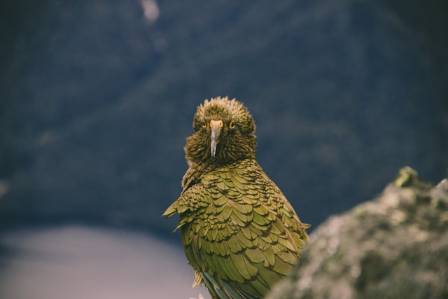
Native only to New Zealand, the kakapo is a nocturnal, flightless parrot with mossy green feathers and a charming personality. Once widespread across the region, it now survives only on two small predator-free islands. Fewer than 150 remain, largely due to the threat of non-native predators like stoats and feral cats, which prey on both adult birds and unattended eggs. Despite more than a century of conservation work, the kakapo’s future remains fragile, especially as genetic diversity dwindles and disease outbreaks pose serious risks.
Kiwi: A Symbol in Peril
Another flightless native of New Zealand, the kiwi has become an emblem of the country, yet its populations are alarmingly low. Habitat degradation, historic hunting, and introduced mammals such as ferrets and dogs have drastically impacted their numbers. Today, only five distinct species exist in the wild, with some like the rowi facing especially dire circumstances. Conservationists have turned to high-tech methods — including lab incubation of eggs and artificial replacements — to give the birds a better chance at survival.
California Condor: A Giant's Fragile Comeback
The majestic California condor once soared across much of North America, but its numbers plummeted due to lead poisoning from bullet-contaminated carcasses and exposure to toxic pesticides like DDT. By the late 20th century, just a handful survived. A bold captive breeding initiative has since helped the species rebound to over 500 individuals, though they remain mostly confined to pockets of California, Arizona, and Utah. These immense birds — with wingspans reaching nearly 10 feet — now serve as symbols of both environmental fragility and hope.
Hyacinth Macaw: Blue Jewel of the Amazon
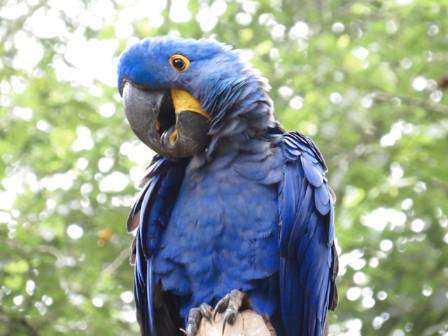
The hyacinth macaw, known for its vivid sapphire plumage, is the largest flying parrot on Earth. It depends heavily on mature Manduvi trees for nesting, making it especially vulnerable to deforestation in Brazil’s Amazon basin. Habitat loss and illegal trapping for the pet trade have decimated their numbers. Once captured in the thousands, only an estimated few thousand now remain in the wild, scattered in small, fragmented populations across the country.
Mariana Fruit Dove: A Song Silenced
Endemic to Guam and the Northern Mariana Islands, the Mariana fruit dove once thrived in lush island forests. The introduction of brown tree snakes — brought accidentally during wartime — led to catastrophic declines on Guam. Across other islands, the species has been reduced to mere thousands due to deforestation and predation. Though zoos worldwide are supporting captive breeding programs, these colorful birds continue to face an uphill battle in the wild.
North African Ostrich: Lost in the Sands
The North African ostrich, the planet’s largest bird, once roamed across the vast expanse of the Sahara Desert. Over the last hundred years, it has lost more than 99% of its original range. Poaching, overgrazing by livestock, and the spread of deserts have all played a role in its downfall. Today, its presence is restricted to only a handful of countries. Conservationists are working to reintroduce ostriches into protected areas and improve land management practices to offer them a better chance of survival.
Burrowing Owl: A Vanishing Prairie Sentinel
With its compact size and distinctive stance, the burrowing owl is a unique resident of North American grasslands. These owls rely on abandoned burrows from ground-dwelling animals — many of which have been wiped out due to agricultural expansion. As their habitats disappear, so do the owls. The use of toxic pesticides has only compounded the issue, leading to population declines across Canada and the United States. Conservation efforts now focus on habitat restoration, artificial burrows, and protecting prey species essential to the owl's diet.
Nearby stops
 STOP
· en
Top 8 Most Unique Forest Homes Around the World
Dean
 STOP
· en
The Allure of Ruins—Architectural Decay in Art
Orion Black
 STOP
· en
The Luminous Kitchen: 13 Design Strategies for a Brighter, Airier Space
Mabel Baldwin
 STOP
· en
The most beautiful lighthouses at the North Sea
Lucien Carter
 STOP
· en
Easy Fruit Milk Tea Recipe
Olivia Foster
 STOP
· en
Trendy Designer Sunglasses
Marin Faye